

For Australian employers
German-trained tradespeople for hard-to-fill roles.
"Hire German Trades" is for Australian employers who need practical, qualified trade capacity and are open to international hiring pathways.
Last updated: May 2026
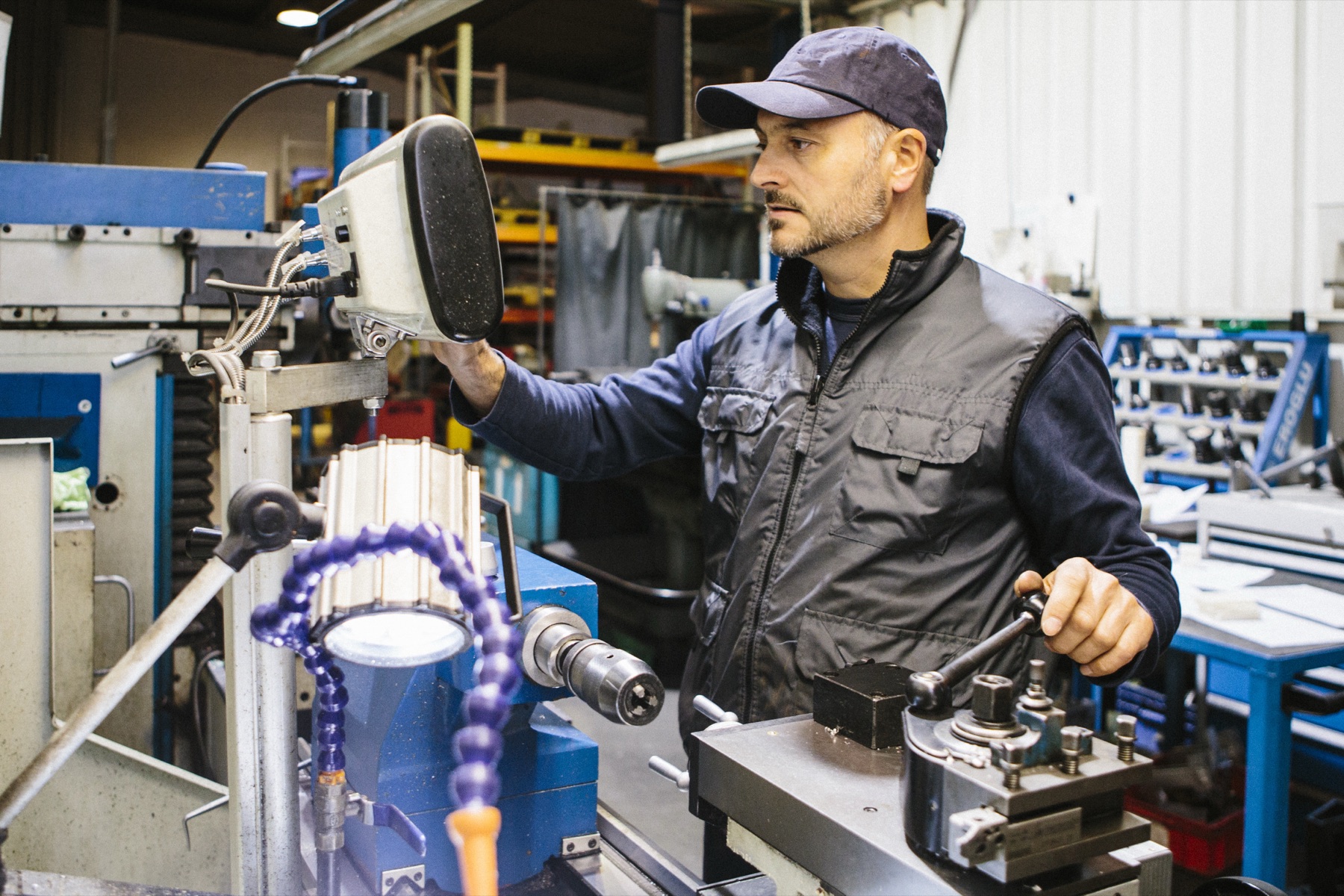
HGT focuses on trade families where Australian employers can describe real roles, worksites and sponsorship readiness.
German titles are translated into tasks, systems, evidence, English expectations and worksite fit before any role-fit conversation.
The strongest enquiries include location, pay range, roster, sponsorship stance, supervision and first-90-day expectations.
Know what makes an international trade hire workable
The employer guide explains the role detail, sponsorship readiness, onboarding and screening signals HGT needs before a useful conversation.
Australian employer questions
Answers that sharpen the first hiring brief
Use these HGT guides to check role scope, sponsorship readiness, certificates and licensing boundaries before contacting candidates in Germany.
How Australian employers should frame a German welder sponsorship conversation before seeking migration advice.
Electrician licensing German electrician licence in Australia: employer guideWhat Australian employers should know before treating a German electrician profile as ready for review.
Assess trade certificates How to assess German trade certificates in AustraliaAn Australian employer framework for reviewing German trade certificates and work evidence.
Trade coverage
Employer profiles for Australian hiring needs
Each profile translates a German trade background into Australian employer language: likely role terms, screening signals, employer questions and pathway cautions.
Employer screening notes for German welding backgrounds, welding processes, materials, tests and worksite fit.
- Welder
- Fabricator Welder
- Pipe Welder
Employer screening notes for German Metallbauer and construction metal backgrounds across fabrication, drawing work and site installation.
- Metal Fabricator
- Boilermaker
- Steel Fabricator
Employer screening notes for German Industriemechaniker backgrounds in maintenance, production machinery and mechanical systems.
- Mechanical Fitter
- Maintenance Fitter
- Fitter and Turner
Employer screening notes for German Anlagenmechaniker profiles across plant systems, pipework, HVAC-adjacent and service environments.
- Mechanical Fitter
- Pipe Fitter
- Maintenance Technician
Employer screening notes for German Zerspanungsmechaniker backgrounds in CNC turning, milling, setup, programming and quality.
- Machinist
- CNC Machinist
- CNC Operator
Employer screening notes for German pipe welding and pipe fitting backgrounds across pressure systems, site work and fabrication.
- Pipe Welder
- Pipe Fitter
- Pressure Welder
Employer screening notes for German electricians, industrial maintenance electricians and licensing-sensitive electrical backgrounds.
- Electrician
- Electrician (General)
- Maintenance Electrician
Employer screening notes for German Zimmerer and carpentry backgrounds across framing, timber construction, renovation and site work.
- Carpenter
- Carpenter and Joiner
- Maintenance Carpenter
Employer screening notes for German Fensterbauer profiles across window systems, doors, glazing, joinery, aluminium and installation.
- Joiner
- Window Installer
- Glazier
Screening model
What we check before a role is ready for follow-up
International hiring works when the employer brief is specific enough to compare with real candidate capability.
Trade translation
German qualifications are mapped to actual Australian role language and worksite functions, not translated word-for-word.
Evidence and recency
Recent work, references, systems, materials, tickets and tests matter more than a broad claim of overseas experience.
Employer readiness
Sponsorship openness, onboarding, supervision and safety communication are checked before momentum builds.
Employer Fit
What makes an employer a good early match
Specific roles
Clear trade demand, location, pay range, start timing and expectations beat vague labour shortage talk.
Pathway openness
The strongest early conversations are with employers willing to understand sponsorship or structured migration pathways.
Practical support
International hiring works better when onboarding, supervision and realistic English expectations are considered early.
Not sure whether the role is ready?
Use the readiness check to see whether the employer brief has enough detail for a practical German trade hiring conversation.
Workflow
How the first intake works
- 01
Register demand
Share the trade, location, urgency and whether sponsorship is on the table.
- 02
Qualify the role
We check whether the role is specific enough to discuss with German-trained candidates.
- 03
Prioritise follow-up
As candidate conversations develop, the clearest employer briefs can be prioritised for practical follow-up.
Expectation Setting
What this is not
Not a labour-hire promise
This starts as a role-qualification and employer-demand workflow, not an instant worker supply catalogue.
Not migration advice
Visa and sponsorship details need a registered migration agent or Australian legal practitioner where required.
Not a generic job board
The value is structured role qualification around focused trade categories and practical employer demand.
Have a role that is genuinely hard to fill?
Register the demand early so we can understand where German-trained candidates may be a practical fit.